
Frequently Asked Questions
My breasts feel empty. Have I got enough milk?
- Breasts that feel empty and therefore contain a small amount of milk, contain rich milk

- Empty breasts make milk quickly. Full breasts continue to make milk but more slowly
- To increase your milk supply feed your baby whenever he wants and let him finish the feed himself by coming off the breast

- Refer to A B C Guide to Breastfeeding Pro! G to ensure correct amount of wet and dirty nappies which means baby is taking in enough milk during the feed. Click for ABC Guide to Breastfeeding Pro! G
- Try spending some time with your baby doing a skin-to-skin cuddle. This has numerous benefits including helping to increase milk supply. Click for Hints & Tips – SKIN-TO-SKIN CUDDLES.
I can’t get much milk out when I express. Should I be worried?
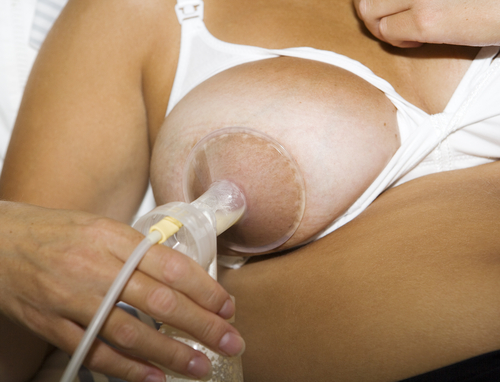
- Expressing can be difficult for some mothers even if they are successfully breastfeeding their babies
- Babies are much better at getting the milk from the breast than we are at expressing it, therefore what you’re managing to express is not a good indicator of how much your baby is getting or how much milk you have
- See the section on expressing milk for helpful advice
- You shouldn’t be worried
Why doesn’t my baby settle for very long at all after a feed?

well attached breastfeeding baby
- Is your baby well attached and having a good feed? i.e. long, slow sucks and swallowing can be heard. If you need to check click for – Baby’s Sucking. Check He’s Well Attached …
- Have you offered the other breast after finishing the feed on one side?
- Do you let him finish the feed himself and come off the breast when he’s ready?
You could try….
- Winding him and then offering the other breast. Do you want to know more about how to wind your baby? Click for Hints & Tips – WINDING
- Changing his nappy to wake him up a bit and then offer some more milk
- Checking that he is not too hot or cold. Do this by feeling the back of his neck or his tummy
Remember newborn babies have only tiny tummies and they need to feed little and often to get enough milk. Feeding every 2 hours is normal in the early days but this will settle down gradually.
How can I get my baby to feed when he’s crying so much?
- Keep calm!
- Try to calm him with a cuddle and when there is a break in crying try again
- Squeeze out some milk onto your nipple for him to taste or let it drip into his mouth
- Strip him off and have a skin-to-skin cuddle. Allow him to lie on your bare skin while he is naked (apart from a nappy – unless you’re very brave!) Would you like to learn more about skin-to-skin cuddles? Click for Hints & Tips – SKIN-TO-SKIN CUDDLES
- Be confident in putting your baby to the breast
- Recognise the early feeding signs so you can feed your baby while he is still calm and before he starts crying
- Don’t blame yourself or think that your baby is rejecting you.
He ‘s acting on instinct and you know what’s best for him so keep showing him what to do.
Can my baby have a good feed if he keeps falling asleep at the breast?
Why is he sleepy?
- Has he been crying for his feed for a while? He may have used all his energy crying. See early feeding signs. Click for Hints & Tips – FEEDING CUES
- Is he very warm and cosy? Remove a layer of his clothing. He won’t get cold if he’s next to you but being too warm makes babies sleepy

- Is he jaundiced? Jaundice is very common and will make your baby’s skin look a bit yellow- this can make babies sleepy- speak to your midwife if you think he may be jaundiced
- Is he unwell?

- Firstly, if you feel he’s unwell contact your doctor or paediatrician. Being sleepy and refusing to feed could be a sign that your baby is unwell
- Wind him and sit him up to try to wake him
- Tickle his feet
- Change his nappy
Should I be concerned that my baby’s feeds are getting shorter/ longer?
- Babies’ feeding patterns and sleeping patterns change as they grow. As they grow quickly this can change quickly too
- As long as the signs are there that your baby has had a good feed refer to A B C, click for – Baby’s Sucking. Check He’s Well Attached … let him guide you
- Breastfeeding works best when it’s responsive. This means letting your baby decide how often to feed for and for how long
- Breastfeeding has been around longer than clocks and works in animals where they can’t time feeds. If your baby is settled, content and growing, everything is going well
Remember …
- He may be feeding for longer to build up your milk supply to cope with his growth. The bigger he gets the more milk he’ll need
- He may be getting better at feeding so therefore not taking as long to finish the feed
- If your baby has been feeding well and has started to consistently refuse feeds speak to your health visitor/ midwife/ paediatrician as there may be something wrong
Breastfeeding is painful, I don’t think it’s working ... should I give up?
Take some painkillers. Sit down and rest … Then read this …
Causes of sore nipples
1. Poor attachment
Allowing baby to suck when not properly attached. Check the signs of good positioning and attachment in the A B C. It tells you what to look for to be sure you have your baby well attached. Click for – Baby’s Sucking. Check He’s Well Attached …Ask for help. You need help and there are lots of people who can help you.
- Midwife (in the first few weeks)

well attached breastfeeding baby
- Health Visitor – ask about breastfeeding clinics
- La Leche League, run by Mums for Mums, specialising in breastfeeding
- GP or Paediatrician
- Friends or family who have breastfed their babies

2. Trauma
From using the breast pump.- Check you’ve been using it correctly. i.e. the right size for you. Start on a gentle suction and gradually increase.
From cleaning nipples. Nipples don’t need any special cleaning, be gentle!
3. Thrush
Thrush is a yeast infection. You may recognise it by red, shiny nipples and/ or burning pain when feeding or expressing. Your baby may have it in his mouth also as you can pass it to each other. You will both have to be treated. See your GP.
How to relieve the pain of sore nipples
- Keep them clean but daily washing/bathing is enough
- You could rinse with normal saline (salty water solution similar to tears) rinse, pat dry with soft clean cloth
- Apply expressed breast milk to nipple
- Expose nipples to the air whenever possible between feeds
- Apply soft paraffin/vaseline or hydrogel dressing if there is an area where the skin has broken down and bleeding
- If there is thrush you may need to be prescribed topical antibiotics or anti fungal cream
- Change breast pads frequently so they’re clean and dry
- Breast shields may help take the pressure off the nipple when worn inside your nursing bra
- Take some painkillers
- Feed from the good side first as the baby will not suck so strongly once he has had some milk
Causes of sore breasts
- When they’re full of milk (engorged).
- When there’s an infection such as mastitis. If you think you have mastitis you may need to be treated with antibiotics. Speak to your GP.
How to relieve the pain of sore breasts
- You need to get your milk flowing and empty your breast. Feed your baby as often as you can
- If your nipples are so sore you can’t bear the pain (after painkillers), express by hand or with a breast pump until it heals. There are dressings and creams that can be applied to aid healing of a blister on the nipple. Use the best (least painful) breast first. Express just enough milk off to feel comfortable again
- Have a hot shower before feeding to help get the milk flowing
- Use hot flannels on the breast when expressing or just before feeding to help get the milk flowing
- Gently massage your breast whilst feeding
- Use the least painful breast to feed first
- If you can tolerate the pain, try to hold your baby in a different position to take the pressure off the sore spot. You can hold your baby like a rugby ball under your armpit

breastfeeding twins under arm position
- Positioning is crucial to avoid pain and empty the breast properly
- If you’ve been feeding your baby for a while and you’re experiencing pain and aren’t feeling less full, your baby is probably not well attached. Follow the A B C. Click for – Baby’s Sucking. Something’s Wrong? … Remember it’s ok to ask for help
- Everything seems much harder when you’re so tired. Give yourself some time to sort out the problem. This can be done easily with help, rest, painkillers. Giving up breastfeeding suddenly will only add to your discomfort.

Remember your reasons for wanting to breastfeed and how proud you will feel in a few days time when you have overcome these problems.
It shouldn’t be painful and it won’t be when you’re doing it right!

comfortable breastfeeding baby and mum
- Get someone to help you. -Help with breastfeeding and help with daily chores so you can rest
- Go to bed and just focus on getting your baby to have a good feed so you can begin to feel comfortable again
- Remind yourself of the reasons for doing this and how easy it will be once you’re doing it right
- Healthy newborn babies have enough reserves to get them through the early days of learning to breastfeed
- If you still want to give up it can be done gradually which will be less painful
- Also refer to Hints and Tips how to wean your baby off the breast. Click for Hints & Tips – WEANING.
My breasts feel empty. Have I got enough milk?
Have you fed your baby often in the last few few hours and feel there is not much milk there? (for example, in the evenings especially, babies often feed every hour).
The smaller amount of milk you do have left will be very rich and satisfy your baby, even if it’s a small volume.
This is because the milk at the start of the feed is more watery, to be thirst quenching, like a drink. Gradually, throughout the feed, the milk changes to become richer and more filling. The milk that will be left in your breast will therefore be the rich milk and will satisfy your baby.
Breastfeeding works on supply and demand:-

skin to skin cuddle after birth
- When you remove the milk, your breasts make more
- The more milk you remove, the more you will make
- If the milk isn’t being removed from your breast, the milk making slows down
- Luckily we have two breasts so one is filling up as the other is being emptied!
- To build up your milk supply feed your baby as often as he wants to and let him finish the feed himself by coming off the breast
- Skin-to-skin cuddles, where your baby lies naked (nappy on) on your naked chest encourages hormone release which improves milk production and calms baby. Click for Hints & Tips – SKIN-To-SKIN CUDDLES
Indications that you have enough milk are:-
- baby gaining weight and growing out of nappies and clothes
- passing the correct amount of urine and stools. Click for – What Goes In Must Come Out!
- being settled and calm after a feed
Did you know?
In the early days of breastfeeding your breasts make more milk than your baby needs. You may get used to feeling quite full. Once breastfeeding is well established your breasts only make the milk your baby needs and you may feel your breasts reduce in size. I found that this happens around three months.
For ideas on how to increase your milk supply refer to Making More Milk. Click for Hints & Tips – MAKING MORE MILK
I can’t get much milk out when I express. Should I be worried?
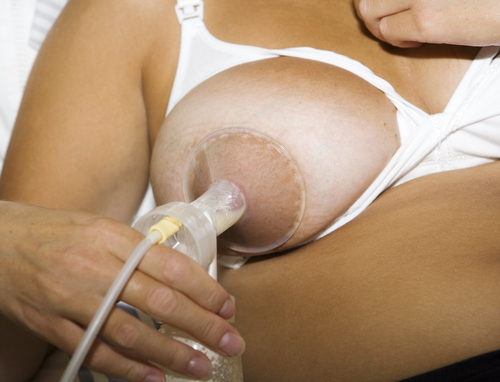
- Expressing milk can be difficult for some Mums even if they are successfully breastfeeding
- Expressing milk involves stimulating the milk to flow before pumping. It could be down to your technique
Did you know?
If your baby is less than three days old, your breasts will contain colostrum, which is a very rich, highly nutritional milk, specially designed for your newborn.
- Your baby only needs a small amount of this at each feed (a teaspoon full)
- If you were to express in the first few days you should expect to get no more than a couple of teaspoons of colostrum each time you express
- It’s recommended that hand expressing is used in the first few days after delivery
Therefore there’s no need to worry.
Would you like to know more about expressing milk? Click for Hints & Tips – EXPRESSING MILK.
Why doesn’t my baby settle for very long at all after a feed?

well latched breastfeeding baby
- Check your positioning and attachment using the A B C Guide to breastfeeding. If you have seen your baby doing long, rhythmical sucks and heard swallowing and allowed your baby to finish the feed himself you can assume he/she has had a good feed
- Have you offered the other breast? He may need a little more
- Are you letting your baby finish the feed himself so that he’s getting the rich milk at the end?
- Does he need winding? Wind him and offer your other breast. Do you want to know more about how to wind your baby? Click here to go to- WINDING
- Is he wet or dirty or too cold or too warm? Check your baby’s temperature by feeling his tummy or the back of his neck. Hands often feel cold when baby’s actually warm so are not a good indicator of temperature
- Did you expect your newborn to sleep for longer than he does? Babies feed very often in the first few weeks of life
They need 10-12 feeds in 24 hours. That can be every 2 hours.
The 2 hours should be counted from the start of one feed to the start of the next. So if your baby is having a 30 minute feed there will be very little time in between feeds.
Although it’s tiring it is normal.
- Is he stocking up on milk ready to do a long stretch of sleeping later ? Babies seem to ‘stock up’ on milk (mine always did it in the evenings) by having several feeds very close together during a period of a few hours. Then are settled for slightly longer than they would normally manage … for example they may sleep for 4 or 5 hours after doing this. Perfect for having a good sleep yourself!
- Is there something wrong? If your baby normally feeds well and sleeps well, follow your instincts and if you feel there is something wrong with your baby contact your midwife/doctor.
How can I get my baby to feed when he’s crying so much?

skin to skin cuddle after birth
- Keep calm!
- Try to calm him with a cuddle and when there’s a break in crying, try again
- Squeeze out some milk from your nipple and let him taste it to remind him what’s coming. If your milk is flowing, let some drip into his mouth. The sweet taste will help calm him down.
- Strip him off and have a skin-to-skin cuddle. Allow him to lie on your bare chest with nothing on apart from a nappy (unless you’re really brave!). Skin-to-skin cuddles have numerous benefits. It will help to calm you and your baby with the release of ‘happy hormones’! If you’d like to know more about skin to skin cuddles and the benefits. Click for Hints & Tips – SKIN-TO-SKIN CUDDLES
- Swaddle him in a sheet or light blanket to keep his arms out of the way while you get him feeding. Swaddling also makes baby feel safe and secure
- Can you recognise the early signs of hunger in your baby? Your baby may’ve been telling you for a while that he’s getting ready to feed so it is best to recognise these early signs and start the feed before he begins crying. Crying can come half an hour to an hour after the first feeding signs by which time baby is getting tired and very grumpy! Click for Hints & Tips – FEEDING CUES
- Lots of crying means baby will have swallowed lots of air and may need winding. Getting a big burp up means more room for milk!
- Try not to blame yourself or think that your baby is rejecting you. He’s acting on instinct. You know what’s best for him so keep showing him how to feed
Once you get your baby feeding does he fall asleep quickly at the breast?
You may wonder if he really was hungry but he could be tired from crying. So now watch him closely while he sleeps, for the early feeding signs and offer a feed even if he still seems half asleep……you may find he will have a good, calm feed and fall asleep again.
Remember If your baby has been crying for a long time and you can’t calm your baby with any of the suggestions above seek help. Babies cry for a reason.
Can my baby have a good feed if he keeps falling asleep at the breast?
- Firstly, if you feel your baby is unwell contact your doctor or paediatrician. Being sleepy and refusing to feed could be a sign that your baby is unwell
- Try winding him. When he”s done a big burp he may have more room for milk
- Try sitting him upright to look at you
- Tickle his feet
- Changing his nappy half way through the feed, after he has gone to sleep, will help to wake him
- Newborn babies spend a lot of time sleeping, although it doesn’t feel like that at night! They will wake, feed and go back to sleep. Where possible feed your baby promptly to try to get a good feed in before he goes off to sleep. If he’s had to wait for his feed, he may just have enough milk to quench his thirst, without getting the rich milk that comes towards the end of the feed. This rich milk will keep him satisfied for longer therefore helping him to sleep for longer
- If he has done some good sucking and swallowing before falling asleep, it may be time to try putting him on the other breast
- Length of feeds can vary from baby to baby and even time of day. Your baby may have had a good feed before falling asleep. Check the ABC for the reassuring signs. Click for – Baby’s Sucking. Check He’s Well Attached …
Should I be concerned that my baby’s feeds are getting shorter/ longer?

well attached breastfeeding baby
- Babies patterns and routines tend to change as they grow. In the early days they grow very quickly so the feeding pattern changes quickly too
- Babies will feed more often when they are having a growth spurt. Your baby will be feeding often to increase your milk supply to meet the new demand as he/ she is getting bigger. As he grows he’ll need more milk at each feed
- You can be reassured that the breastfeeding is going well by checking the positive signs given in the A B C, click for Baby’s Sucking. Check He’s Well Attached …
- Breastfeeding works best when it’s responsive. This means letting your baby decide how often to feed and for how long. We don’t eat and drink the same amounts at the same time every day so neither will your baby
- Breastfeeding also works on supply and demand. When milk is removed, more is made. If you’re limiting your baby’s feeds to certain times you may be slowing down milk production. Let him feed as often and for how long he wants and your breasts will make enough milk. Your baby will be happy!
- Remember that a breastfeed quenches thirst (milk at the start of the feed) and hunger (richer milk in the latter part of the feed), and some days we’re just more hungry and thirsty than others
- If you go on holiday or the weather turns hot your baby may need more frequent, thirst quenching feeds but not necessarily a long feed
- If your baby has become unwell and was previously taking some solid food, he may return to only breastfeeds again, refusing solid food for a little while
- This is fine as he’ll get what he needs from your milk. You may feel very tired as the demands on your body increase again temporarily. Plus you’re caring for a poorly baby which is tiring in itself
- If you’re concerned that your baby is consistently refusing feeds or not showing signs of feeding well, seek medical help. There may be something wrong
Breastfeeding is painful, I don’t think it’s working ... should I give up?
Take some painkillers. Sit down and rest … Then read this …
Causes of sore nipples
1. Poor attachment

well attached breastfeeding baby
Allowing baby to suck when not properly attached. Check the signs of good attachment. Click for – Baby’s Sucking. Check He’s Well Attached … It tells you what to look for to be sure you have your baby well positioned and attached. Ask for help. You need help and there are lots of people who can help you.
- Midwife (in the first few weeks)
- Health Visitor – ask about breastfeeding clinics
- La Leche League, run by Mums for Mums, specialising in breastfeeding
- GP or Paediatrician
- Friends or family who have breastfed their babies
2. Trauma
From using the breast pump.- Check you’ve been using it correctly. i.e. the right size for you. Start on a gentle suction and gradually increase.
From cleaning nipples.- Nipples don’t need any special cleaning, be gentle.
3. Thrush
Thrush is a yeast infection. You may recognise it by red, shiny nipples and/ or burning pain when feeding or expressing. Your baby may have it in his mouth also as you can pass it to each other. You will both have to be treated. See your GP.
How to relieve the pain of sore nipples

breastfeeding twins two different positions
- Keep them clean but daily washing/bathing is enough
- You could rinse with normal saline (salty water solution similar to tears) rinse, pat dry with soft clean cloth
- Apply expressed breast milk to nipple
- Expose nipples to the air whenever possible between feeds
- Apply soft paraffin/vaseline or hydrogel dressing if there is an area where the skin has broken down and bleeding
- If there is thrush you may need to be prescribed topical antibiotics or anti fungal cream
- Change breast pads frequently so they’re clean and dry
- Breast shields may help take the pressure off the nipple when worn inside your nursing bra
- Take some painkillers
- Feed from the good side first as the baby will not suck so strongly once he has had some milk
Causes of sore breasts
- When they’re full of milk (engorged).
- When there’s an infection such as mastitis. If you think you have mastitis you may need to be treated with antibiotics. Speak to your GP.
How to relieve the pain of sore breasts
- You need to get your milk flowing and empty your breast. Feed your baby as often as you can
- If your nipples are so sore you can’t bear the pain (after painkillers), hand express or with a breast pump until it heals. There are dressings and creams that can be applied to aid healing of a blister on the nipple. Use the best (least painful) breast first. Express just enough milk off to feel comfortable again
- Have a hot shower before feeding to help get the milk flowing
- Use hot flannels on the breast when expressing or just before feeding to help get the milk flowing
- Gently massage your breast whilst feeding
- Use the least painful breast to feed first
- If you can tolerate the pain, try to hold your baby in a different position to take the pressure off the sore spot. You can hold your baby like a rugby ball under your armpit
- Positioning is crucial to avoid pain and empty the breast properly
hold your baby close when breastfeeding
- If you’ve been feeding your baby for a while and you’re experiencing pain and aren’t feeling less full, your baby is probably not well attached. Follow the A B C. Click for – Baby’s Sucking. Check He’s Well Attached … Remember it’s ok to ask for help
- Everything seems much harder when you’re so tired. Give yourself some time to sort out the problem. This can be done easily with help, rest, painkillers. Giving up breastfeeding suddenly will only add to your discomfort.
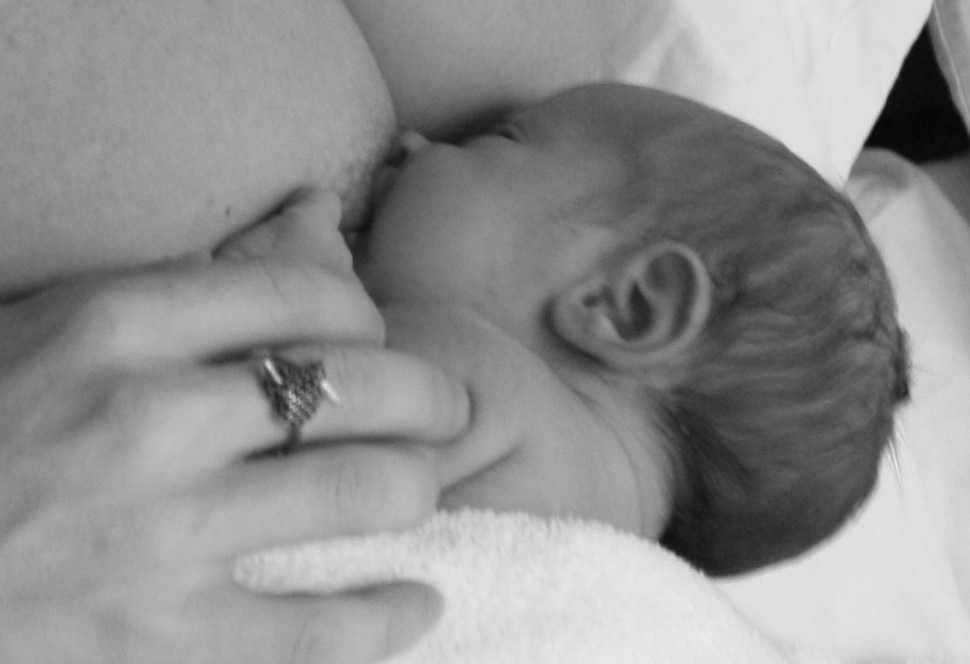
Remember your reasons for wanting to breastfeed and how proud you will feel in a few days time when you have overcome these problems.
It shouldn’t be painful and it won’t be when you’re doing it right!
- Get someone to help you. -Help with breastfeeding and help with daily chores so you can rest
- Go to bed and just focus on getting your baby to have a good feed so you can begin to feel comfortable again
- Remind yourself of your reasons for wanting to do this and how easy it will be when you’ve got it right
- Healthy, full term babies have enough reserves to get them through the first few days of learning to breastfeed
- If you still want to give up it can be done gradually which will be less painful
- Also refer to Hints and Tips how to wean your baby off the breast. Click for Hints & Tips – WEANING